When Invisible Danger Strikes: The Perils of Hydrogen Sulfide in Confined Spaces

The Trinity County Tragedy
On August 27, 2025, three workers in Trinity County, Texas, lost their lives while responding to a problem at a sewer plant. One worker entered a manhole to stop sewage from backing up and was quickly overcome by toxic fumes. Two others attempted to rescue him, only to be overcome by the same fate.
Emergency responders were able to recover all three men, but none survived. Investigators later confirmed the culprit was hydrogen sulfide gas. One of the victims carried a gas monitor that sounded an alarm, but the toxic effects were so rapid that escape was impossible.
What is Hydrogen Sulfide?
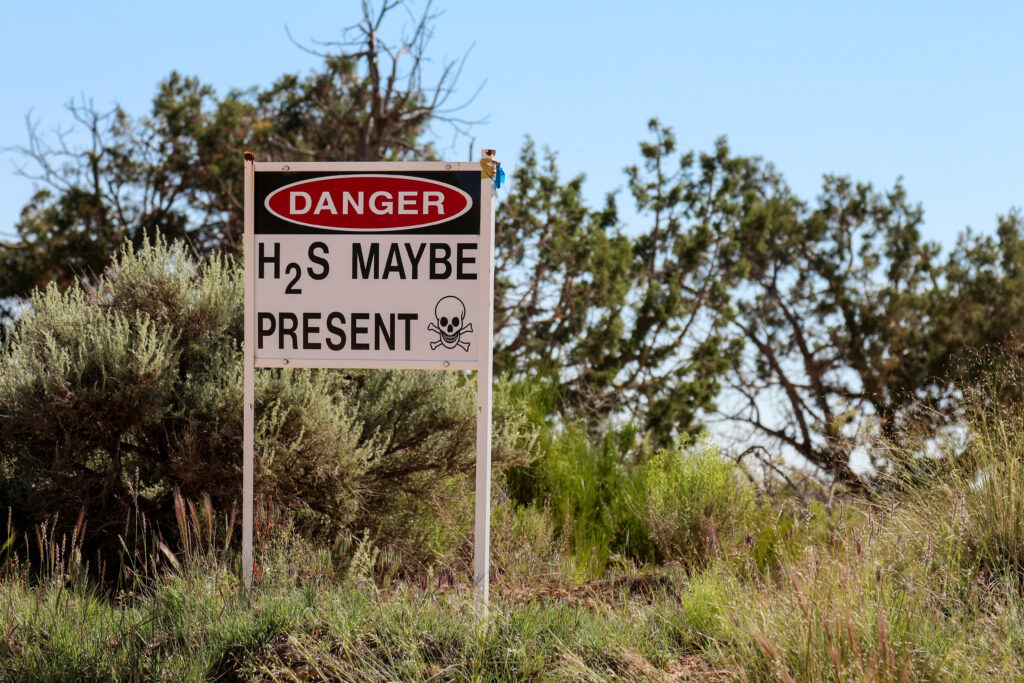
Hydrogen sulfide is a colorless gas often associated with the smell of rotten eggs. At very low levels, the odor is distinct, but at higher concentrations, the gas quickly paralyzes the sense of smell. Workers may believe they are safe even as the gas reaches lethal levels.
This gas forms naturally through the breakdown of organic matter, particularly in sewage, waste, and petroleum deposits. In confined spaces like manholes or tanks, it can accumulate to deadly concentrations in a matter of minutes.
Why It Is So Dangerous
Hydrogen sulfide is toxic because it interferes with the body’s ability to use oxygen. By binding with critical enzymes, it prevents cells from producing energy. Exposure can cause a wide range of effects depending on concentration and duration:
- Low concentrations: eye and throat irritation, coughing, dizziness, and nausea.
- Moderate concentrations: severe respiratory distress, fatigue, memory issues, and neurological symptoms.
- High concentrations: rapid unconsciousness, paralysis of the respiratory system, pulmonary edema, and death.
At around 100 parts per million, the sense of smell disappears. At higher levels, incapacitation can occur in a single breath.
Confined Spaces and Compounding Risks
Confined spaces magnify the threat of hydrogen sulfide. With limited ventilation, toxic gases cannot dissipate and instead concentrate at dangerous levels. Unfortunately, many confined-space fatalities follow the same pattern: one worker collapses, and others rush in to help without protective equipment, leading to multiple deaths.
The tragedy in Trinity County fits this pattern exactly, showing how a lack of preparation and safe rescue procedures can turn one emergency into a catastrophic loss of life.
Preventing Future Incidents
To prevent hydrogen sulfide tragedies, several safety practices are essential:
- Atmospheric testing: spaces must be tested with calibrated monitors before entry.
- Ventilation and controls: toxic gases should be removed or diluted whenever possible.
- Protective equipment: workers must use supplied-air respirators or self-contained breathing apparatus when safe conditions cannot be guaranteed.
- Rescue procedures: emergency teams must be equipped and trained in advance. Improvised rescues without proper protection must never occur.
- Training and awareness: every worker must understand the properties of hydrogen sulfide and the unique hazards of confined-space entry.
Honoring the Workers Lost

The three men who died in Trinity County—Brad Hutton, John Nelson Sr., and Bradley Wrightsman—were not just names on a report. They were part of a community, with families and colleagues who now carry the burden of their loss.
Remembering their story is not only about honoring their memory, but also about reinforcing a lesson that the safety community has long understood confined-space work with toxic gases is among the most hazardous tasks in industry, and every step of preparation, training, and protection matters.
Related Posts

A Year of Progress: NASP’s Training Milestones for 2025
12.15.2025 Editorial
December Safety Roundup
12.15.2025 Current Events
Launch into 2026: Live Training Classes with NASP
12.15.2025 Live Classes