Georgia Stone Manufacturer Fined for Silica Exposure: Understanding the Risks and Prevention
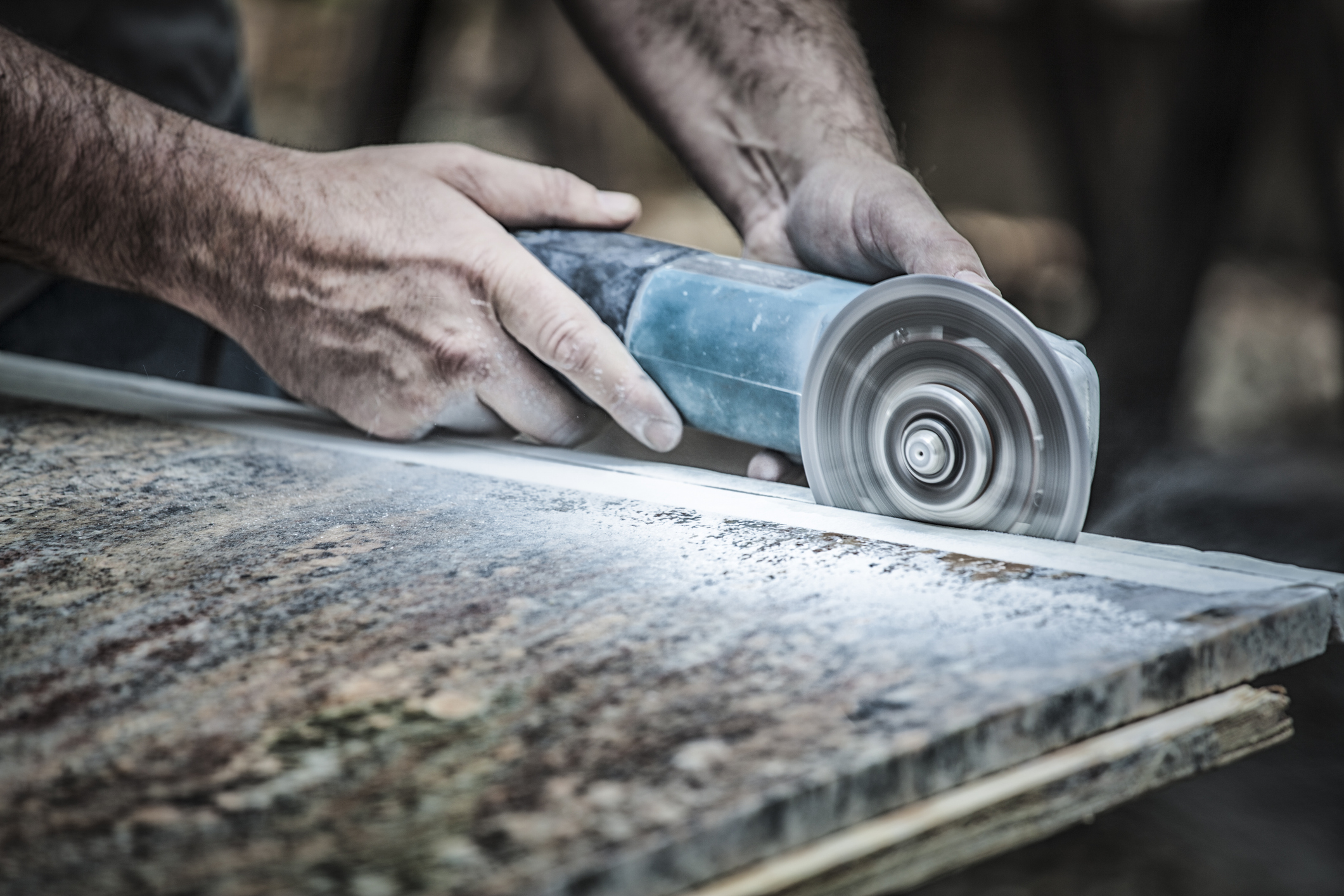
Art Stone-Granite & Marble Inc., a stone product manufacturer based in Marietta, Georgia, has been fined $120,000 by the U.S. Department of Labor’s Occupational Safety and Health Administration (OSHA) for exposing workers to respirable crystalline silica. A follow-up inspection revealed that the company failed to implement previously identified hearing conservation and respiratory protection programs, leading to two repeat and 13 serious violations related to silica dust and occupational noise hazards.
The Dangers of Silica Exposure
Respirable crystalline silica is a fine dust produced during activities like cutting, grinding, or drilling stone and concrete. Inhalation of this dust can lead to serious health issues, including:
- Silicosis: An incurable lung disease causing inflammation and scarring in the lungs.
- Lung Cancer: Prolonged exposure increases the risk of developing lung cancer.
- Chronic Obstructive Pulmonary Disease (COPD): Includes conditions like emphysema and chronic bronchitis.
- Kidney Disease: Studies have linked silica exposure to an increased risk of kidney disease.

These conditions often develop over time, with symptoms appearing years after initial exposure.
Preventing Silica Exposure in the Workplace
Employers and workers can take several steps to minimize the risks associated with silica dust:
- Engineering Controls: Implement local exhaust ventilation systems and use wet methods to suppress dust at its source.
- Respiratory Protection: When engineering controls are insufficient, provide workers with appropriate respirators. Ensure proper fit and usage, especially for tasks like sandblasting, which require higher levels of protection .
- Medical Surveillance: Offer regular health screenings to monitor workers for early signs of silica-related diseases.
- Training and Education: Educate workers about the hazards of silica dust and safe work practices to reduce exposure.
- Housekeeping Practices: Avoid dry sweeping or using compressed air for cleaning. Instead, use wet cleaning methods or HEPA-filtered vacuums to reduce airborne dust.
- Personal Hygiene: Encourage workers to wash their hands and face before eating or drinking, and to change into clean clothes before leaving the worksite to prevent contamination.
Lessons from a Costly Mistake
The case of Art Stone-Granite & Marble Inc. highlights the critical importance of adhering to safety regulations to protect workers from the dangers of silica exposure. By implementing proper control measures, providing necessary protective equipment, and educating employees, employers can significantly reduce the health risks associated with respirable crystalline silica.
For more information on silica hazards and prevention, visit OSHA’s Silica Safety and Health Topics page. NASP also offers a Silica Dust Specialist Course for only $195. For more information, or to enroll, click here now.
Related Posts

A Year of Progress: NASP’s Training Milestones for 2025
12.15.2025 Editorial
December Safety Roundup
12.15.2025 Current Events
Launch into 2026: Live Training Classes with NASP
12.15.2025 Live Classes